You are here: Home / News / Knowledge about Floorings / Herringbone Flooring VS Chevron Flooring: Which One Is Right for Your Space?
Herringbone Flooring VS Chevron Flooring: Which One Is Right for Your Space?
Views: 0 Author: Site Editor Publish Time: 2026-06-26 Origin: Site
Introduction
Choosing new flooring is one of the biggest decisions you'll make when designing or renovating a home. While color and material are important, the flooring pattern can completely transform the personality of a room. Among all decorative wood flooring layouts, herringbone flooring and chevron flooring consistently stand out as two of the most elegant options.
At first glance, these two patterns look almost identical. Both feature planks arranged in repeating zigzag designs, adding movement and visual interest that straight-laid flooring simply can't match. However, once you look closer, the differences become much more obvious. The plank angles, installation methods, costs, and overall style create two completely different experiences.
So, how do you know which one fits your project or home?
In this comprehensive guide, we'll compare herringbone flooring vs chevron flooring from every angle—including appearance, installation, durability,maintenance, and interior design compatibility—to help you confidently choose the right flooring for your space.
Understanding Patterned Wood Flooring
Patterned flooring has been admired for centuries because it adds texture, sophistication, and depth to interiors. Instead of laying planks parallel to one another, decorative layouts create unique geometric patterns that naturally draw the eye.
Among the many available designs, herringbone and chevron remain the two most popular because they successfully blend timeless beauty with modern functionality.
Although they share a zigzag appearance, they are built differently, and that difference affects everything from installation costs to visual impact.
What Is Herringbone Flooring?
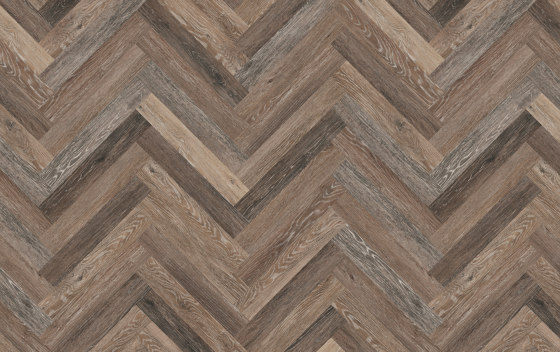
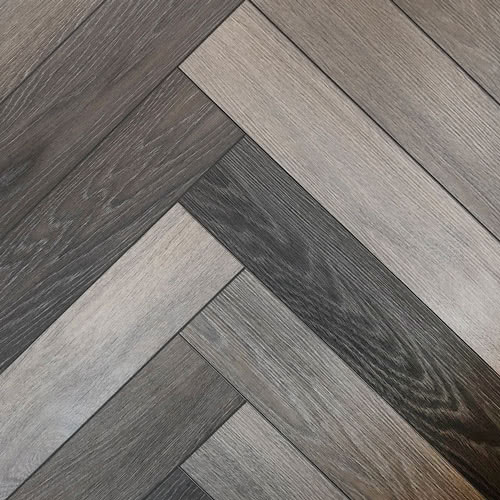
Herringbone flooring is created by placing rectangular planks at 90-degree angles, where the end of one plank meets the side of another.
Imagine stacking books in an alternating pattern. Each plank overlaps the next, forming a broken zigzag that resembles the skeleton of a herring fish—hence the name.
This flooring pattern dates back to the Roman Empire, where similar layouts were used in roads to improve structural stability. Centuries later, it became a defining feature of European castles, luxury estates, and historic mansions.
Today, herringbone flooring is available in:
· Engineered wood
· Solid hardwood
· Luxury Vinyl Tile (LVT)
· SPC flooring
· Laminate flooring
What Is Chevron Flooring?
Chevron flooring also forms a zigzag pattern, but the construction is completely different.
Instead of rectangular planks, each board is precisely cut at an angle—usually 45° or 60°. When installed, the angled ends meet perfectly to form continuous V-shaped lines across the floor.
Unlike herringbone's broken pattern, chevron creates an uninterrupted flow that naturally directs the eye forward.
The result feels:
· More symmetrical
· More contemporary
· More luxurious
· More architectural
Chevron flooring gained popularity in French palaces during the Renaissance and remains one of the most iconic flooring styles in luxury hotels and upscale residences.
Key Differences at a Glance
Although these flooring styles are often confused, their distinctions become clear once you compare them side by side.
Feature
Herringbone Flooring
Chevron Flooring
Plank Shape
Rectangular
Angled Ends
Pattern
Broken Zigzag
Continuous V Shape
Installation
Easier
More Precise
Material Waste
Lower
Higher
Installation Cost
Moderate
Higher
Style
Traditional & Transitional
Modern & Luxury
DIY Friendly
More Suitable
Less Suitable
Appearance Comparison
The biggest deciding factor for many homeowners is appearance. After all, flooring occupies one of the largest visual surfaces in any room.
Even subtle differences in pattern can dramatically influence how large, bright, or elegant a space feels.
Herringbone's Timeless Character
Herringbone flooring has a natural rhythm.
Because each plank meets another at a right angle, the pattern feels rich, layered, and textured. Instead of directing your eyes in one direction, it creates movement throughout the room.
This makes herringbone particularly effective in spaces where warmth and comfort are priorities.
It pairs beautifully with:
· Rustic interiors
· Farmhouse homes
· Scandinavian design
· Traditional architecture
· Transitional interiors
Another advantage is flexibility.
Changing the plank width, wood species, stain color, or finish can dramatically alter the final appearance without losing the recognizable herringbone pattern.
For example:
· Light oak creates a bright Nordic atmosphere.
· Walnut adds luxurious warmth.
· Gray tones deliver a contemporary feel.
· Whitewashed finishes create coastal elegance.
Chevron's Sleek Sophistication
Chevron flooring is all about precision.
Every plank points toward the next in perfect alignment, producing crisp V-shaped lines that create an immediate sense of order.
Think of it like arrows gently guiding your eyes across the room.
Because of these continuous lines, chevron flooring often makes spaces appear:
· Longer
· Wider
· More open
· More luxurious
This explains why designers frequently choose chevron flooring for boutique hotels, premium apartments, executive offices, and modern villas.
Minimalist interiors especially benefit from the clean geometry.
Instead of competing with furniture, the flooring quietly enhances the architecture itself.
Durability and Maintenance
From a durability standpoint, there is little difference between herringbone and chevron flooring if they are made from the same material.
Whether you choose solid hardwood, engineered wood, SPC, or LVT, the flooring's lifespan depends more on the material quality, wear layer, and installation than on the pattern itself.
To keep either floor looking its best:
· Sweep or vacuum regularly to remove dirt and grit.
· Clean spills promptly to prevent staining.
· Use furniture pads to reduce scratches.
· Avoid excessive moisture on natural wood floors.
· Refinish hardwood surfaces when necessary.
With proper care, quality hardwood herringbone or chevron flooring can last for decades, while premium SPC and LVT versions can provide excellent performance in busy households with minimal maintenance.
Frequently Asked Questions
Is herringbone flooring more expensive than chevron flooring?
In most cases, no. Herringbone flooring is generally more affordable because it uses standard rectangular planks and requires less complex manufacturing and installation. Chevron flooring usually carries higher material and labor costs.
Which flooring pattern makes a room look bigger?
Chevron flooring typically creates a stronger sense of length and openness because its continuous V-shaped lines naturally guide the eye across the room. Herringbone also adds visual interest but has a softer, less directional effect.
Can both patterns be installed with SPC or LVT flooring?
Yes. Modern manufacturers produce both herringbone and chevron designs in SPC, LVT, laminate, engineered wood, and solid hardwood. This allows homeowners to achieve the same elegant appearance while selecting a material that fits their budget and performance requirements.
Which flooring is easier to install?
Herringbone flooring is generally easier to install because it uses standard rectangular planks. Chevron flooring requires precision-cut boards and exact alignment, making professional installation highly recommended.
Which style will stay fashionable longer?
Both patterns have been used for centuries and continue to be popular in modern interior design. Herringbone offers a timeless, classic appeal, while chevron delivers a cleaner, more contemporary aesthetic. Neither is likely to go out of style anytime soon.
Final Verdict: Which One Is Right for Your Space?
When comparing herringbone flooring vs chevron flooring, there is no universal winner—only the option that best suits your home, design vision, and budget.
Choose herringbone flooring if you want a timeless pattern with warmth, character, and versatility. It works beautifully in both classic and contemporary interiors, offers easier installation, and is typically the more cost-effective choice.
Choose chevron flooring if you prefer a sleek, sophisticated look that emphasizes clean lines and architectural elegance. Although it requires a larger investment, its striking visual impact makes it an excellent choice for luxury homes and modern spaces.
At the end of the day, both flooring patterns can transform an ordinary room into an extraordinary one. By considering your interior style, room size, budget, and long-term maintenance expectations, you'll be able to select a flooring design that enhances your space for years to come.
Whether you choose the timeless charm of herringbone or the refined precision of chevron, investing in a well-crafted patterned floor is an investment in both beauty and lasting value.
 English
 العربية
 Français
 Русский
 Español
 Português
 Deutsch
 italiano
 日本語
日本語 한국어
한국어 Nederlands
 Tiếng Việt
 ไทย
ไทย Polski
 Türkçe
 ភាសាខ្មែរ
 Bahasa Melayu
 ဗမာစာ
ဗမာစာ Filipino
 Bahasa Indonesia
 magyar
 Română
 Čeština
 қазақ
қазақ Српски
 فارسی
فارسی Kiswahili
 Slovenčina
 Slovenščina
 Norsk
Norsk Svenska
 українська
 Ελληνικά
 Suomi
Suomi Հայերեն
 עברית
עברית Dansk
Dansk اردو
اردو Hrvatski
 Afrikaans
 Gaeilge
 Eesti keel
 Oʻzbekcha
 latviešu
 Azərbaycan dili
 Беларуская мова
 Български
 ქართული
 Hausa
Hausa Lietuvių
 isiZulu