Hard Wood vs Wood Hybrid Flooring: Which One is Better Suited for You?
Choosing the right flooring for your home can feel like choosing between two perfectly good desserts—you know both will work, but which one fits your taste, lifestyle, and long-term expectations?
Hardwood and wood hybrid flooring are two of the most popular choices today, each offering beauty, durability, and unique advantages. But the real question is, which one is better for you?
In this guide, we’ll break everything down in a friendly, conversational way—so you can make a confident decision without any second-guessing.

Understanding the Basics
What Is Hardwood Flooring?
Hardwood flooring is made from solid planks milled from natural timber species like oak, maple, walnut, and hickory. Each board is a single piece of genuine wood, known for authenticity, warmth, and timeless appeal. Hardwood can last generations if properly maintained, which is why many older homes still proudly show off gorgeous century-old floors.
What Is Wood Hybrid Flooring?
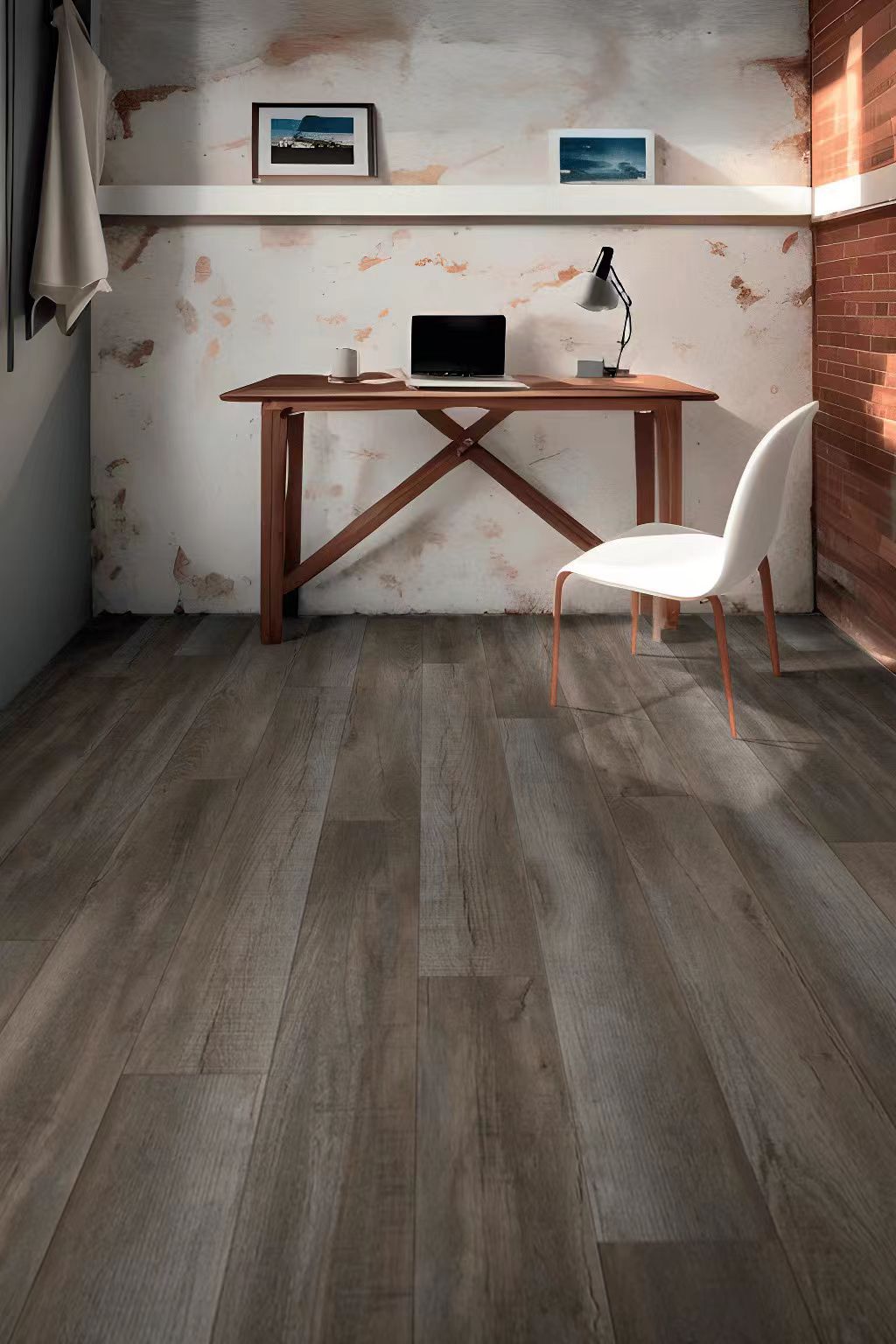
Wood Hybrid SPC flooring is made by combining a natural wood veneer with a rigid stone-plastic composite core. Each plank features a real timber surface, giving it the authentic grain, warmth, and texture of genuine wood, while the SPC base adds superior stability and full waterproof performance. This hybrid structure offers the beauty of real wood with modern durability, making it less prone to warping, swelling, or climate-related movement. It’s a practical choice for those who want natural wood aesthetics with the reliability of advanced composite flooring.
Key Differences
Composition
Hardwood: Solid natural wood throughout.
Hybrid: A real wood veneer on top with SPC rigid core layer beneath.
Appearance & Aesthetics
Hardwood offers unmatched natural variation. No two boards are identical, and its authenticity elevates any space.
Wood hybrids look nearly identical to hardwood thanks to real wood top layers, but depth and richness may vary depending on product quality.
Durability & Lifespan
Hardwood: Can last 50–100+ years due to the ability to be sanded and refinished.
Hybrid: Typically lasts 10–30 years; refinishing is limited.
Water & Moisture Resistance
Hardwood doesn’t play nicely with moisture—it can warp or swell if exposed to water.
Wood hybrid flooring, however, is engineered to resist moisture far better, making it a safer choice for kitchens, basements, and even laundry rooms.
Installation Methods
Hardwood: Usually nailed or glued, requires professional installation.
Hybrid: Often designed for click-lock installation, making it DIY-friendly.
Cost Comparison
Hardwood is usually more expensive both in materials and installation.
Hybrid flooring offers a more budget-friendly option without sacrificing aesthetics.
Pros and Cons of Hardwood Flooring
Pros
Timeless beauty and elegance
Long lifespan with refinishing
Natural warmth and authenticity
Multiple customisation options (stains, finishes, width)
Cons
More expensive upfront
Sensitive to moisture and humidity
Requires regular maintenance
Installation needs professional skill
Susceptible to scratches from pets or furniture
Pros and Cons of Wood Hybrid Flooring
Pros
Excellent moisture resistance
Real wood appearance
Stable in different climates
Low maintenance needs
Cons
Cannot be refinished multiple times
Shorter lifespan than solid hardwood
Low-quality options may appear artificial
Performance in Different Environments
Living Rooms & Bedrooms
Both hardwood and hybrid flooring work beautifully in these low-moisture spaces. Hardwood shines with elegance, while hybrid offers resilience at a lower price.
Kitchens & Bathrooms
This is where hardwood struggles. Spills, humidity, and frequent cleaning can damage it.
Hybrid flooring wins here with its water-resistant core, making it ideal for moisture-prone areas.
High-Traffic Areas
Hybrid flooring is tough and designed to resist scratches and dents, making it great for busy households.
Hardwood can handle traffic too—but it might show wear faster unless protected.
Maintenance Requirements
Hardwood Care
Regular sweeping
Occasional deep cleaning
Refinishing every 7–15 years
Careful handling of moisture
If you love the idea of renewing floors over time, hardwood gives you flexibility.
Hybrid Flooring Care
Simple sweeping or vacuuming
Damp mopping without worry
No refinishing needed
Highly resistant to stains and dents
It’s perfect for low-maintenance lifestyles.
How to Choose: Key Decision Factors
Lifestyle
Kids or pets? Choose hybrid’s durability.
Love natural materials? Hardwood wins.
Home Design Style
Traditional or luxury interior? Hardwood elevates the space.
Modern or minimalistic? Hybrid fits effortlessly.
Climate & Location
Dry climates suit hardwood.
Humid or coastal areas favor hybrids due to stability.
Conclusion
Flooring isn’t just something you walk on—it sets the mood, tone, and personality of your entire home. Hardwood and hybrid flooring both offer compelling benefits, but your choice should reflect your lifestyle, maintenance preferences, climate, and budget.
Whether you choose the warm authenticity of solid hardwood or the resilient convenience of hybrid flooring, you’ll end up with a stylish, durable foundation that supports your home for years to come.
If you’d like help comparing specific brands, styles, or prices, feel free to ask—I’m here to help!
 English
 العربية
 Français
 Русский
 Español
 Português
 Deutsch
 italiano
 日本語
日本語 한국어
한국어 Nederlands
 Tiếng Việt
 ไทย
ไทย Polski
 Türkçe
 ភាសាខ្មែរ
 Bahasa Melayu
 ဗမာစာ
ဗမာစာ Filipino
 Bahasa Indonesia
 magyar
 Română
 Čeština
 қазақ
қазақ Српски
 فارسی
فارسی Kiswahili
 Slovenčina
 Slovenščina
 Norsk
Norsk Svenska
 українська
 Ελληνικά
 Suomi
Suomi Հայերեն
 עברית
עברית Dansk
Dansk اردو
اردو Hrvatski
 Afrikaans
 Gaeilge
 Eesti keel
 Oʻzbekcha
 latviešu
 Azərbaycan dili
 Беларуская мова
 Български
 ქართული
 Hausa
Hausa Lietuvių
 isiZulu





 Pros
Pros

