Why 2026 Will Be a Turning Point for Flooring
The flooring industry is standing at the edge of a major transformation. If the past decade was about growth and expansion, 2026 will be about intelligence, sustainability, and material innovation. From advanced core technologies to smart flooring systems, the way floors are designed, produced, and used is changing fast. Think of it as flooring growing a brain — not just good looks, but real performance and intelligence beneath the surface.
Global Flooring Market Overview Before 2026
Market Size and Growth Momentum
The global flooring market has maintained steady growth, driven by urbanization, renovation demand, and commercial construction. SPC, LVT, laminate, and hybrid floors have already replaced many traditional materials. But growth alone is no longer enough. Buyers are now asking smarter questions: Is it sustainable? Is it quieter? Is it easier to install?
Key Challenges Facing Traditional Flooring Materials
Traditional flooring materials face serious pressure —
high raw material costs
environmental regulations
labor shortages
rising expectations from end users
These challenges are forcing manufacturers to rethink everything from raw materials to production methods.
Material Innovation Becomes the Core Driver

From SPC and LVT to Next-Gen Hybrid Flooring
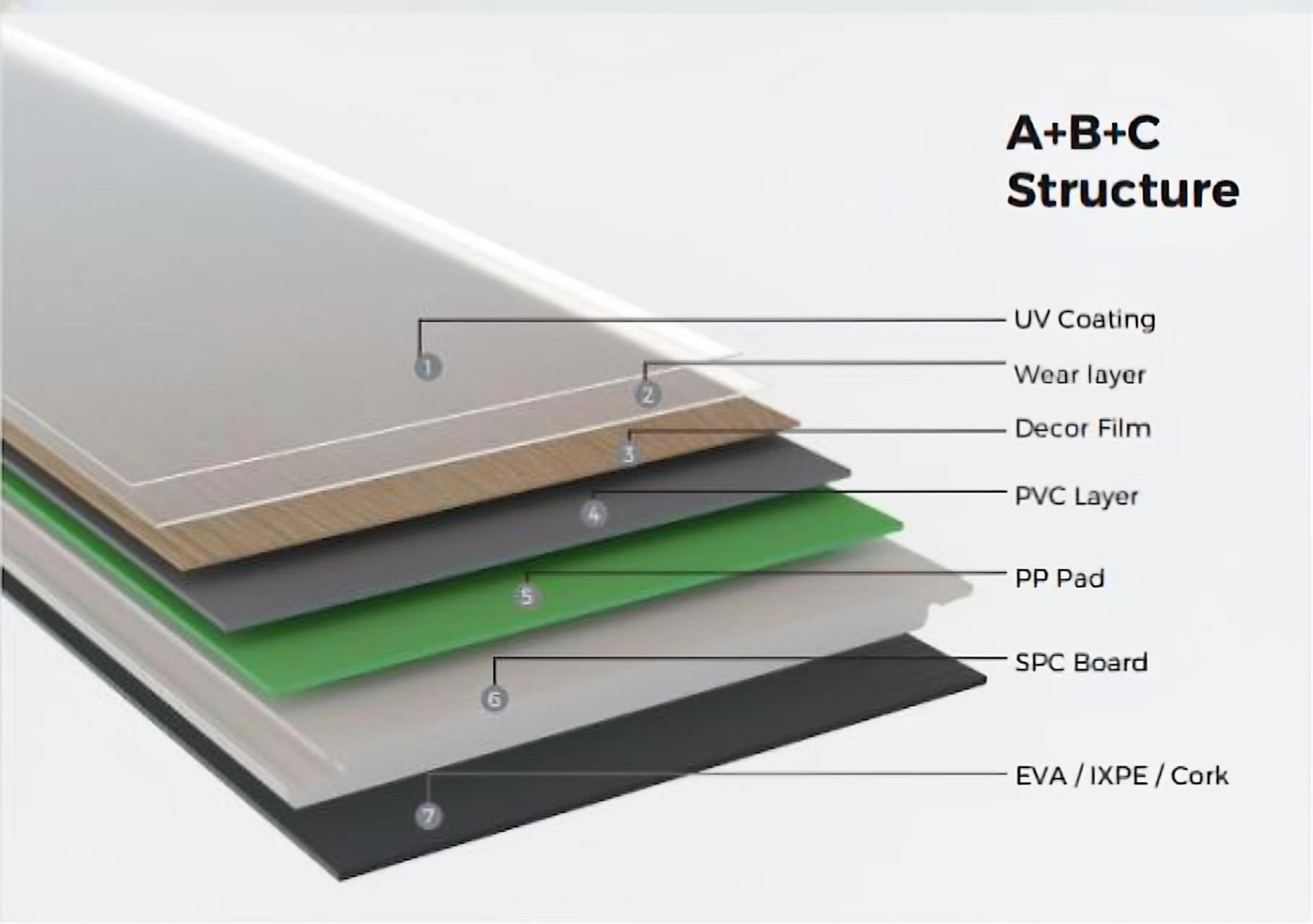
SPC and LVT opened the door, but hybrid flooring is walking through it. By combining the rigidity of SPC, the comfort of LVT, and the stability of new composite cores, manufacturers are creating floors that adapt to more environments than ever before. It’s like upgrading from a standard car to a smart electric vehicle — same purpose, far better performance.
Lightweight and High-Performance Core Technologies
Reducing weight without sacrificing strength is one of the biggest material breakthroughs heading into 2026. Lightweight cores improve logistics efficiency, lower carbon emissions, and reduce installation fatigue for contractors.
Lite SPC and Weight-Reduced Structures
Lite SPC allows up to 15–20% weight reduction while maintaining stability. This innovation doesn’t just save shipping costs — it changes how flooring is handled, installed and distributed globally.
Sustainability Moves from Trend to Standard
Recycled and Bio-Based Raw Materials
Sustainability is no longer a marketing keyword; it’s a purchasing requirement. Flooring products in 2026 will increasingly use recycled PVC, bio-fillers, and renewable additives. Buyers want proof, not promises.
Low-Carbon Manufacturing and ESG Compliance
Carbon footprint labeling, energy-efficient production lines, and ESG reporting will become standard expectations, especially for projects in Europe and North America. Flooring brands that fail to adapt may simply disappear from key markets.
Acoustic and Comfort Performance Take Center Stage
Sound-Reducing Underlay Innovations
Noise pollution is becoming a major concern in both residential and commercial spaces. Advanced acoustic underlays and integrated sound-absorbing layers are now essential, not optional.
Residential and Commercial Noise Control Needs
From apartments to hotels, quieter floors mean better living and working experiences. In 2026, sound performance ratings will be as important as wear layers.
Installation Technology Enters a New Phase
Advanced Click Systems and Loose Lay Solutions
Faster, stronger, and more forgiving installation systems will define competitive products. Loose lay and next-gen click systems reduce installation time while improving stability.
Faster Installation for Large-Scale Projects
Time is money. Commercial contractors in 2026 will prioritize flooring systems that reduce labor costs and project timelines without compromising performance.
Design Innovation: More Than Just Visual Appeal
EIR Technology and Hyper-Realistic Surfaces
Embossed-in-register (EIR) technology continues to evolve, delivering surfaces that look and feel like real wood or stone. The line between natural and synthetic flooring is getting harder to see — and feel.
Customization and Regional Design Preferences
Custom colors, plank sizes, textures, and regional design preferences will dominate. Flooring is no longer one-size-fits-all; it’s becoming culturally adaptive.
Digitalization and Smart Manufacturing
AI, Automation, and Quality Control
AI-powered inspection systems and automated production lines will dramatically improve consistency and reduce defects. Smart factories mean smarter products.
Impact on Distributors, Contractors, and Retailers
Value-Added Services Become Competitive Advantage
Distributors and retailers will shift from price competition to service-driven models — offering technical support, customization, and faster delivery.
What Global Buyers Should Prepare for in 2026
Product Selection Strategy
Buyers should focus on flexible product portfolios that balance performance, sustainability, and cost efficiency. The cheapest option is no longer the safest bet.
Supplier Evaluation Criteria
Transparency, innovation capability, and long-term stability will outweigh short-term pricing advantages. Strong partnerships will matter more than ever.
Future Outlook: Flooring Beyond 2026
Looking beyond 2026, flooring will continue evolving into an integrated building solution rather than a standalone product. Smart, sustainable, and user-centric design will define the winners.
Conclusion: A Smarter, Greener, and More Innovative Flooring Era
The flooring industry in 2026 will look very different from today. Material innovation, smart solutions, and sustainability will reshape every link in the value chain. For manufacturers, distributors, and buyers alike, the message is clear: adapt now, or fall behind. The future floor isn’t just something you walk on — it’s something that works for you.
 English
 العربية
 Français
 Русский
 Español
 Português
 Deutsch
 italiano
 日本語
日本語 한국어
한국어 Nederlands
 Tiếng Việt
 ไทย
ไทย Polski
 Türkçe
 ភាសាខ្មែរ
 Bahasa Melayu
 ဗမာစာ
ဗမာစာ Filipino
 Bahasa Indonesia
 magyar
 Română
 Čeština
 қазақ
қазақ Српски
 فارسی
فارسی Kiswahili
 Slovenčina
 Slovenščina
 Norsk
Norsk Svenska
 українська
 Ελληνικά
 Suomi
Suomi Հայերեն
 עברית
עברית Dansk
Dansk اردو
اردو Hrvatski
 Afrikaans
 Gaeilge
 Eesti keel
 Oʻzbekcha
 latviešu
 Azərbaycan dili
 Беларуская мова
 Български
 ქართული
 Hausa
Hausa Lietuvių
 isiZulu